

I once met a guy at my local bar who’s been banned from Colombia. He threw grenades in the river and blew up a bunch of caimans. He thought, as a lot of people seem to think, that Colombia is a lawless land where you can get away with anything. It’s an easy mistake, considering the guerrilla warfare all over the place. Looking at the country’s history, it seems like political violence is as much a part of the culture as coffee and blow, but things have been different for the last twenty years. Major cartels have been flushed out, peace made with the resistance cells, the economy is booming; it looks like Colombia is making a slow climb out of its troubled past. I’ll be flying into Medellin this August to ride motorcycles and report on the situation.
History
In the olden days, the northeastern portion of South America was called the Viceroyalty of New Granada. You guessed it, it was ruled by the Spanish Empire. When Napoleon invaded Spain and the Americas decided they didn’t need overseas help anymore, New Granada declared independence in 1810. A brief and bloody war ensued.
This independent New Granada comprised the lands of what are now Ecuador, Venezuela, Colombia, and Panama. It never quite came together, as the two main political factions just couldn’t agree to anything. It lasted about three years before King Ferdinand VII got Spain back from Napoleon. As part of the deal, he was supposed to rule according to Napoleon’s wonderful governance system. He gave Napoleon the finger, probably called him a midget, and sent an armada to take New Granada back. He succeeded, and everyone who was part of the revolution felt the Spanish hammer come down hard.
The regional governments in New Granada didn’t recognize Spain’s new rule anyway, and sort of did their own thing, but the rampant persecution of patriots sewed the seeds of another revolution. Leading the charge was Simon Bolivar, a Venezuelan general with visions of an independent New Granada- no, an independent and unified South America- but it would never happen with Spain in the way. He declared independence for a second time in 1819.
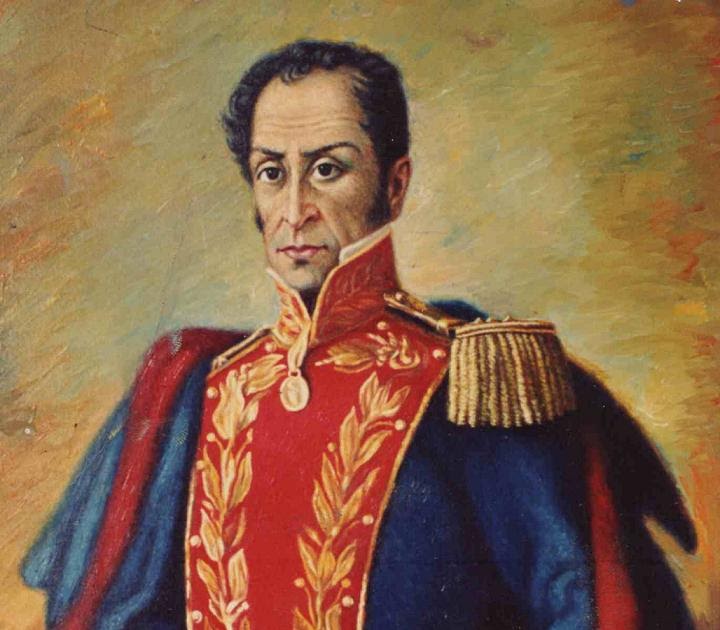
Bolivar’s attack on the Spanish Royal Army would get a thumbs-up from George Washington himself. Bolivar couldn’t face the Spanish army head-on, and had to use sneak attacks and surprise. He ordered one army to attack the Spanish at Cucuta, near today’s Colombia-Venezuela border. That was a diversion while he took most of his forces into the mountains, boldly crossing rivers and jungle during the rainy season. It was so dangerous and stupid that the Royal Army would never expect it.
Plenty of soldiers and horses drowned in the flooded rivers, and then the army still had to cross the Andes Mountains. It was freezing cold and the troops were still wet, and many perished from frostbite. Bolivar’s attack force finally descended the snow-capped mountains, and the army was barely functional. Giving up on the whole thing, he sent the sickest and most injured home on the Chicamocha river.
Just kidding, of course he didn’t give up- but that’s exactly what the Spanish thought when they saw a bunch of ragged, weary and frozen soldiers floating sadly away. The Royal Army let their guard down, and Bolivar’s army descended on Boyacá and caught the Spanish with their pantalones down. The Royalist army was badly beaten, torn nearly to shreds, so badly that Spain’s entire military withdrew from Colombia. From there, Bolivar captured Bogota with no Spanish resistance, and made short work of liberating the rest of New Granada.
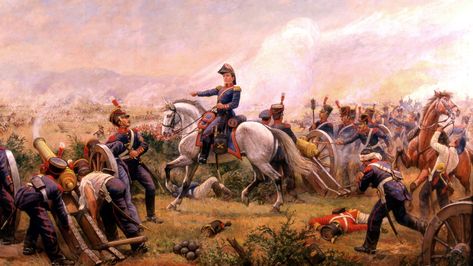
The war was over and the Spaniards were out by 1823, but not without a gnarly price. As many as 400,000 people living in New Grenada died in the war- almost twice as many casualties as the American Revolution. Bolivar was installed as the first President of Colombia, ruling over the whole corner of South America with a vision of freedom and unity.
It didn’t last long. The various sections of this new wonderland called Colombia all wanted different things out of the new constitution, and Bolivar’s homeland of Venezuela had rejected it outright. Instead of waiting for cohesion, Bolivar took the Colombian army down to unify Peru into this new country by force. Nobody liked that.
This version of Colombia fell apart very quickly. Venezuela decided not to ratify the constitution and chose the route of dictatorship instead. Ecuador dropped off not long after. By 1830, Gran Colombia was disintegrated, the war in Peru was lost, and Simon Bolivar was forced to resign as President. Exiled from home, he died in December that same year.
The chunk that we call Colombia started going by the name New Grenada again, and was the first constitutional republic in South America. Unlike King Ferdinand VII, they happily adopted Napoleon’s two-party governance style, and the Liberal and Conservative party remain today as South America’s oldest political entities. Both parties maintained their own militias, which inevitably led to violent outbreaks of political discourse.
When the Conservatives got power and started screwing around with the constitution, portions of New Grenada chose to secede. Liberals rebelled and began a two-year civil war in 1860. By 1862, the Liberals had gotten control of Bogota and formed the United States of Colombia. The new president hunted conservatives down and chased their army into the jungle, which sort of set the stage for guerrilla factions controlling parts of the country. It’s very similar to how the 2nd Amendment became such a big deal in the United States, except the gun nuts in Colombia are serious.
The Nationalist Party sprung up in the 1880s, got power, and once again dug their grimy fingers into Colombia’s constitution. The US of C became the Republic of Colombia, power was consolidated in Bogota, and the Liberals and Conservatives alike took up arms. Another civil war began in 1899, known as the Thousand Days war. The Liberals and Conservatives dismantled the Nationalist Party, then turned their guns on each other, and the Conservatives eventually won. The portion known as Panama seceded, became independent, and let Teddy Roosevelt rearrange its guts with his long canal.
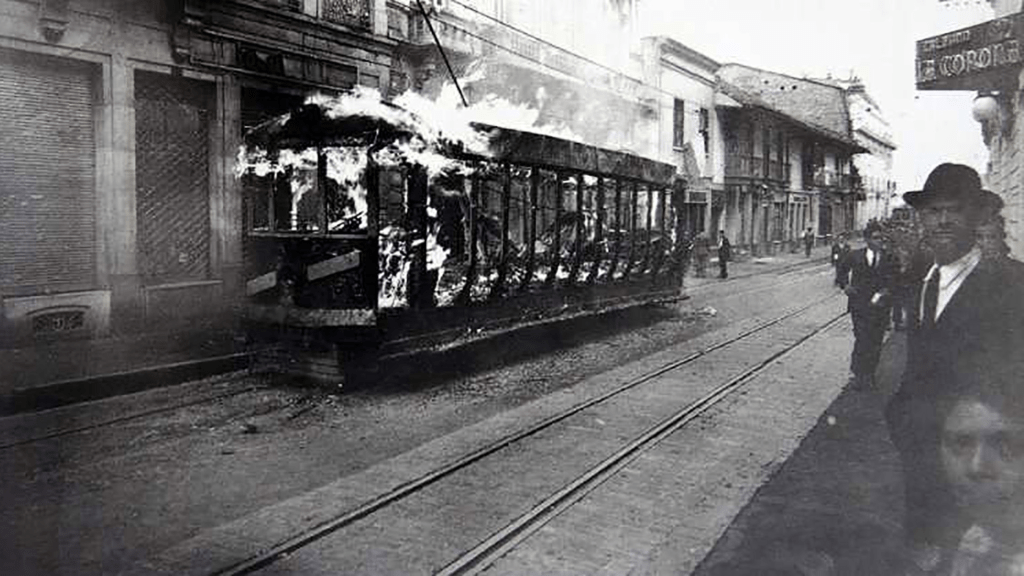
Tensions between Liberal and Conservative never mellowed. When the leading Liberal presidential candidate was assassinated in 1948, riots kicked off in Bogota that lasted for ten hours, almost destroyed the whole city, and killed at least 5,000 people. This sparked a 10 year period known as la violencia (the violence) where the ruling Conservatives encouraged their people to seize Liberals’ farmland. Blood everywhere.
Despite people killing each other out in the countryside, Colombia joined its good friend the United States in the Korean war to kill commies overseas. Shortly thereafter, General Gustavo Rojas ran the president out of office and installed a military junta. Rojas made deals with the various guerrilla factions around the country and la violencia began to cool off. Rojas was also deposed, after which the Conservatives and Liberals struck a deal where they would take turns with their presidencies.
That deal lasted for 16 years and seems to have worked- for the most part. Guerrilla warfare was built into the culture at this point, and conflicts between the government and resistance cells- both right and left- continue to this day. Cartels started to pop up in the 1970s, using alliances with the guerrillas to protect them while they made and dealt drugs. Pablo Escobar famously took over Medellin in the late 1980s this way.
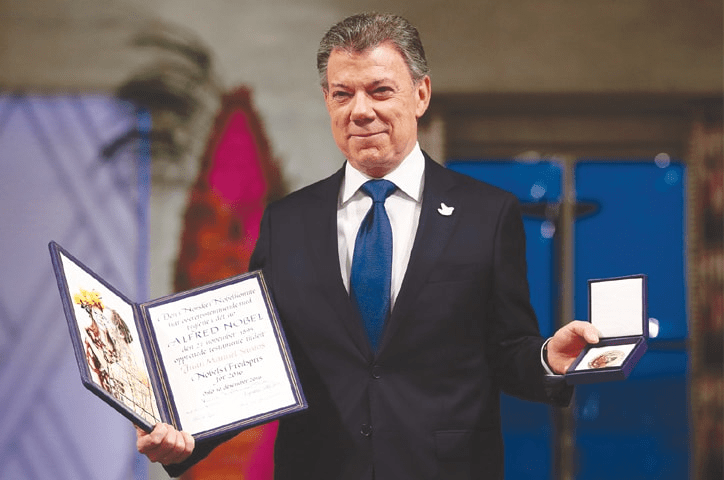
In the 2000s, a new civil war was brewing as the guerrillas started getting out of hand, but it never happened. President Uribe ramped up counter-terrorism measures to the point where entire resistance groups and cartels were disbanding just out of fear, and his successor President Santos was so successful at making peace with these people that he was awarded the Nobel Peace Prize. Colombia had a history of violence that scared foreign investors away, but that was changing. Investor confidence soared as safety increased, leading to a huge economic boom for Colombia.
Today, crime is at a record low and foreign money is flooding into the country. It’s got the third highest GDP in South America, behind only Brazil and Argentina. Colombia is quickly becoming a major player thanks to its safety reforms and free market policies. Violence is sequestered to a few cartel controlled coastal towns and the Venezuela border- where the communist government over there is supporting what’s left of the guerrilla fighters.
Crime and Safety
They say that if you want to know how well socialism works, look at where people ran after the Berlin Wall came down. It’s the same story in Colombia. While Colombia has figured out free enterprise and relative safety (at least in the urban zones), Venezuela has been burying itself deeper and deeper with a steam-shovel called socialism. The illegal immigration from Venezuela is a huge problem down there, and rising tensions between the two countries is not helping.
Venezuela got busted harboring and supporting Colombian guerrilla cells, some of whom were supposedly disbanded during Santos’ peace deals. The two countries severed diplomatic ties in 2019. When I registered my trip with the U.S. Embassy, you know, so mom can come pick me up if shit hits the fan, I was warned not to visit any town near the border. They can’t save you there.
Lucky me, I’ll be in Medellin, safely snuggled up in the Andes Mountains. Yes, the same Medellin of Pablo Escobar fame. I’ve been told not to ask around about Pablo Escobar. He’s got a sort of shining image as a robin-hood type here in the States, but in Medellin, he’s like 9/11. Everybody knows somebody who got murdered by his Medellin Cartel.
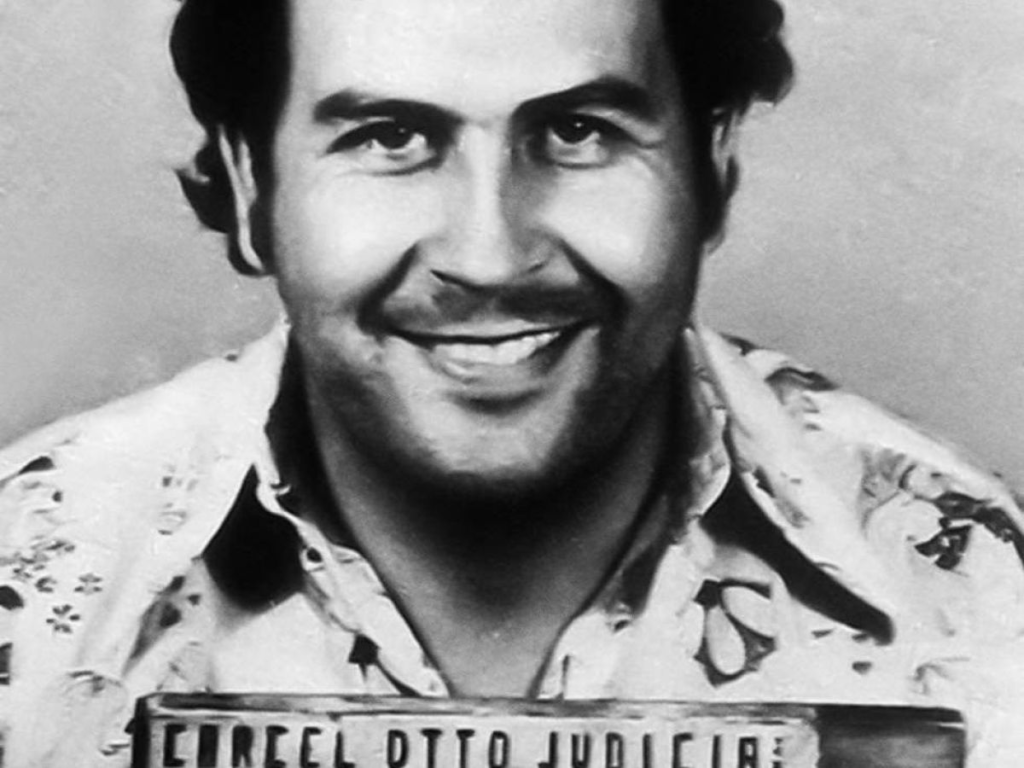
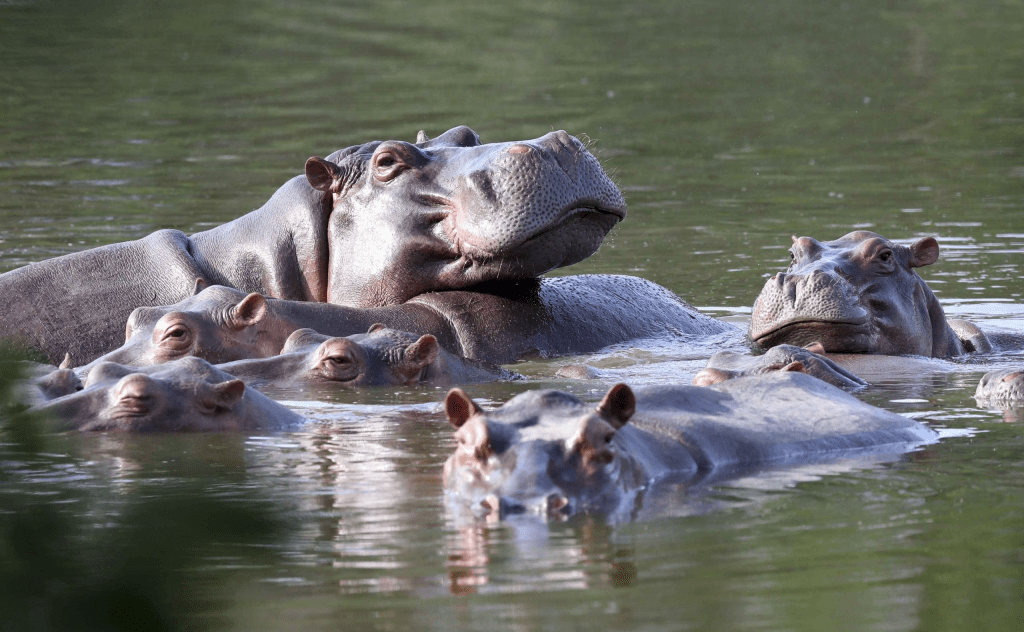
Part of President Uribe’s rule was to go into big cities like Medellin with the army and completely flush out the cartels. It worked, and the current mayor of the city has been doing a bang up job continuing the work. Between 2020 and 2022, crime in Medellin was cut in half. Today there are only 2,600 criminals known to have cartel ties in the whole city, and for a city of 4 million people, that ain’t bad. The main problem you’ll find in the City of Eternal Spring is petty crime from common street gangs, not so much organized hierarchies of yore.
The current president is Gustavo Petro. He’s been pretty tough on violence as well, but his plan for reducing gang activity is stupid. He wants to give free money to young kids who are at high risk for gang recruitment as long as they look for schooling and work. Sounds to me like kids will be recruited to gangs anyway and just hand their paycheck over to their new friends. Petro is a former far-left guerrilla fighter, so I’m not expecting much in the way of economic brainpower.
Why I’m Going to Colombia
Alright, so they’ve got a socialist president, is Colombia toast?
No, and that’s my whole point for all you dummies who want to leave the country because of politics– look at the bigger picture, not just the dope in charge. Government sucks everywhere, but the Colombian people have a very strong culture of self-ownership and personal freedom.
You can tell a lot about a country by who reports on it on YouTube. This may explain my apathy towards Mexico (check out this guy, who somehow managed to make skyscrapers boring). I’ve been watching this other guy, who does a brilliant job covering the culture in Medellin, and boy does he make it look fun. The more I learn, the more excited I get about this leg of the trip.
Colombians are very clean and care a lot about their health. They shower multiple times a day. It’s viewed as acceptable to call out of work if you aren’t able to bathe. They brush their teeth after every meal. They care a lot about appearances, and it’s seen as improper for men to wear shorts. Ever. Sandals are out, too. They can easily identify foreigners by body odor, shorts, or flip-flops. I’m used to the grotesque hogs that roam the streets of America, so this could be a very pleasant culture shock.
Americans have this nasty habit of blaming other people for everything. If your phone got stolen, it’s the thief’s fault, or it’s the cops’ fault for not investigating, or it’s YOUR fault for not watching MY stuff better. We’ll blame our problems on anybody but ourselves (I blame socialism for this). In Colombia, self-ownership is the way of life. Anything bad that happens to you is your own damn fault. They have a saying, no dé papaya (don’t give the papaya) which means, don’t be a mark. Petty crime is sort of accepted as a given, so if it happens to you, tough nuts, moron. Pay better attention next time.
On a related note, outlaw justice is a big deal over there, too. They’ve gotten so used to the police doing diddly-squat that in some neighborhoods, particularly the poor ones, they’ll just gang up on thieves and beat the holy crap out of them.
It sounds weird and scary that there are military factions living in the woods, but we have that here. The forests of Idaho are full of heavily armed homesteaders and separatists, whole communities of people who want nothing to do with society. They’re all over the Appalachians, too. You will get shot if you come onto their territory without permission. The only difference between “separatists” and “guerrilla fighters” is political influence and semantics.
The sci-fi action hero that I created, Miguel Murillo, happens to be Colombian. I hadn’t planned on visiting Colombia when I wrote the book. I thought the gag of all the white people thinking he’s Mexican would be funny, but I only used it once or twice. Now that I’m going there, it gives me a chance to capture the culture in my writing and make a more authentic Colombian for the upcoming sequel.
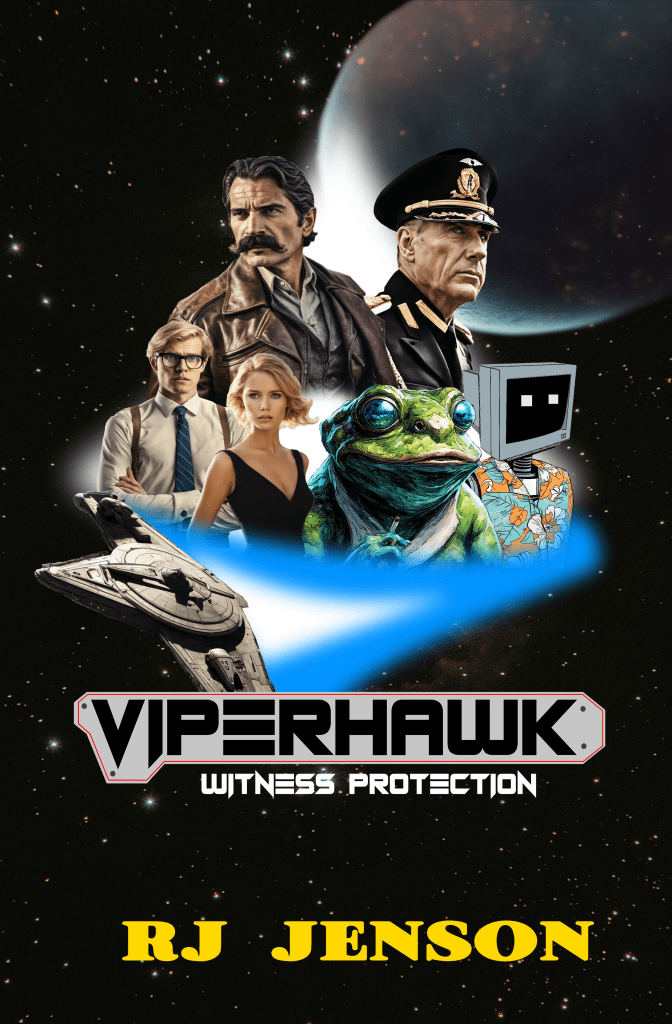
VIPERHAWK: WITNESS PROTECTION
A hilarious sci-fi adventure! Miguel Murillo is a smuggler for the Irish mob, and if these witnesses don’t get to a distant planet on time then there will be war…
And of course, because this whole project is for everyone thinking of jumping ship as the United States sinks into the freezing Atlantic, I’ll be entertaining the possibility of moving there. Colombia is the USA’s closest ally in South America, so the Little Blue Book has a lot of power there. This makes it a popular spot for Americans to move to. It’s fairly easy to get a visa, and you only have to pop in once every 18 months to keep it valid. After five years you can get a permanent residence permit. Five years after that, the option of citizenship opens up.
However, Colombia’s love of the gringo is waning. Prostitution is protected by Colombia’s constitution, which makes it a popular spot for sex tourism. This naturally attracts people who can’t get laid organically. Much like my caiman bombing friend from the intro, nasty pervs slither in thinking they can do whatever they want and get away with it. One-too-many pedophiles have been busted creeping around Medellin and the locals have had enough. One such guy was caught with two prepubescent girls in his hotel room, but was released back to the United States on “insufficient evidence.” That’s obviously horseshit, and massive protests followed.
I’m a little nervous about that aspect, but at the same time, I support it. I come from a country where the ethics of sterilizing, mutilating and aborting children are actually up for debate. It’s refreshing to see a country that cares about its youth. Colombia is very traditional about these sorts of things, and might offer a hopeful light for any of you hoping to escape rampant wokeism. That’s something I’ll have to report on more in depth when I get there.
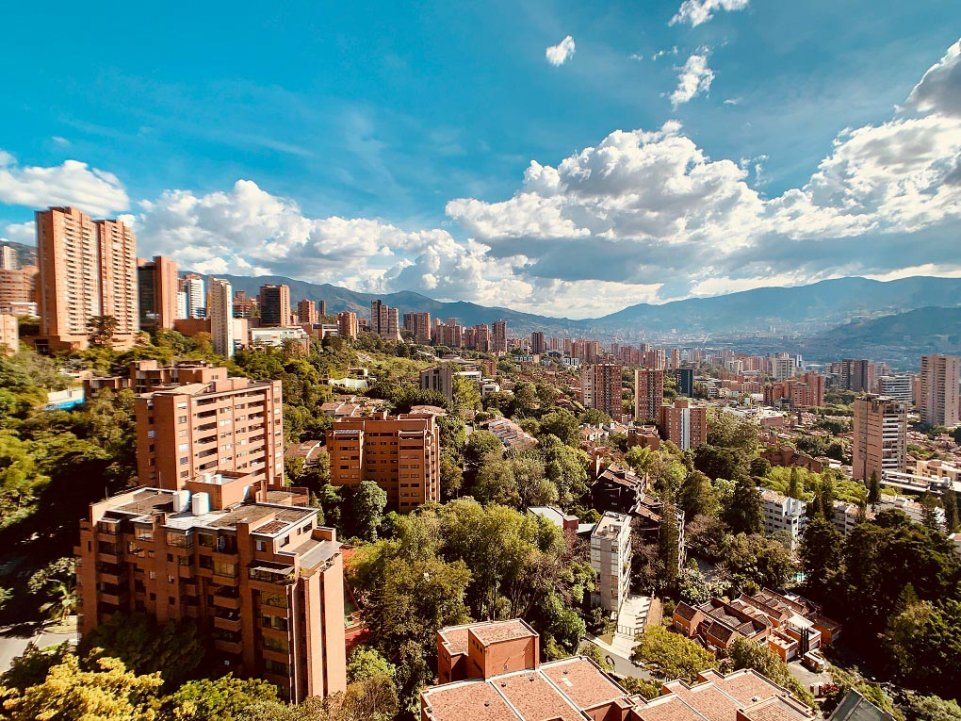
And the final reason that I’m excited about Medellin is that it looks like this:
Conclusion
Colombia has had a history of violence and civil war, but in the last 20 years have really cleaned up their act. They’ve flushed almost all of the cartels and guerrilla factions out of their major cities. They have a lot of self-respect, a lot of pride, and their free market economy makes the future look bright. It’s a popular spot for Americans due to the close ties between the two nations, but they’re starting to not like us because we’re all transgender pedophiles.
No, I’m not bringing back any cocaine. Stop asking. ■


Leave a Reply